
Why Every Beginner Gardener Needs a Simple Starting Plan
The 10 top gardening tips for beginners can make the difference between a thriving garden and a frustrating pile of dead plants. Here they are at a glance:
- Start small – keep your first garden under 100 square feet
- Know your hardiness zone – check USDA zones and local frost dates
- Pick the right location – aim for at least 6 hours of direct sunlight daily
- Build healthy soil – add compost and organic matter before planting
- Choose easy crops – lettuce, radishes, and herbs are great first picks
- Water smartly – use the finger test and aim for about 1 inch per week
- Mulch your beds – apply a 2-3 inch layer to hold moisture and block weeds
- Manage pests naturally – neem oil and beneficial insects go a long way
- Get basic tools – a trowel, gloves, and pruning shears are all you need to start
- Keep a garden journal – track what works and learn from what doesn’t
Gardening looks simple from the outside. You put a seed in the ground, add water, and wait. But most beginners quickly discover that a little planning goes a long way.
The good news? You don’t need a big yard, expensive equipment, or years of experience. Even a small balcony or a single container can produce real, edible results.
Studies show it takes just 1.5 minutes per square foot per week to maintain a garden. A 25-square-foot plot takes less than 40 minutes a week. That’s less time than most people spend scrolling their phone on a lunch break.
The tips below are practical, proven, and designed for complete beginners – especially those working with limited space.

10 Top Gardening Tips for Beginners: Planning and Preparation
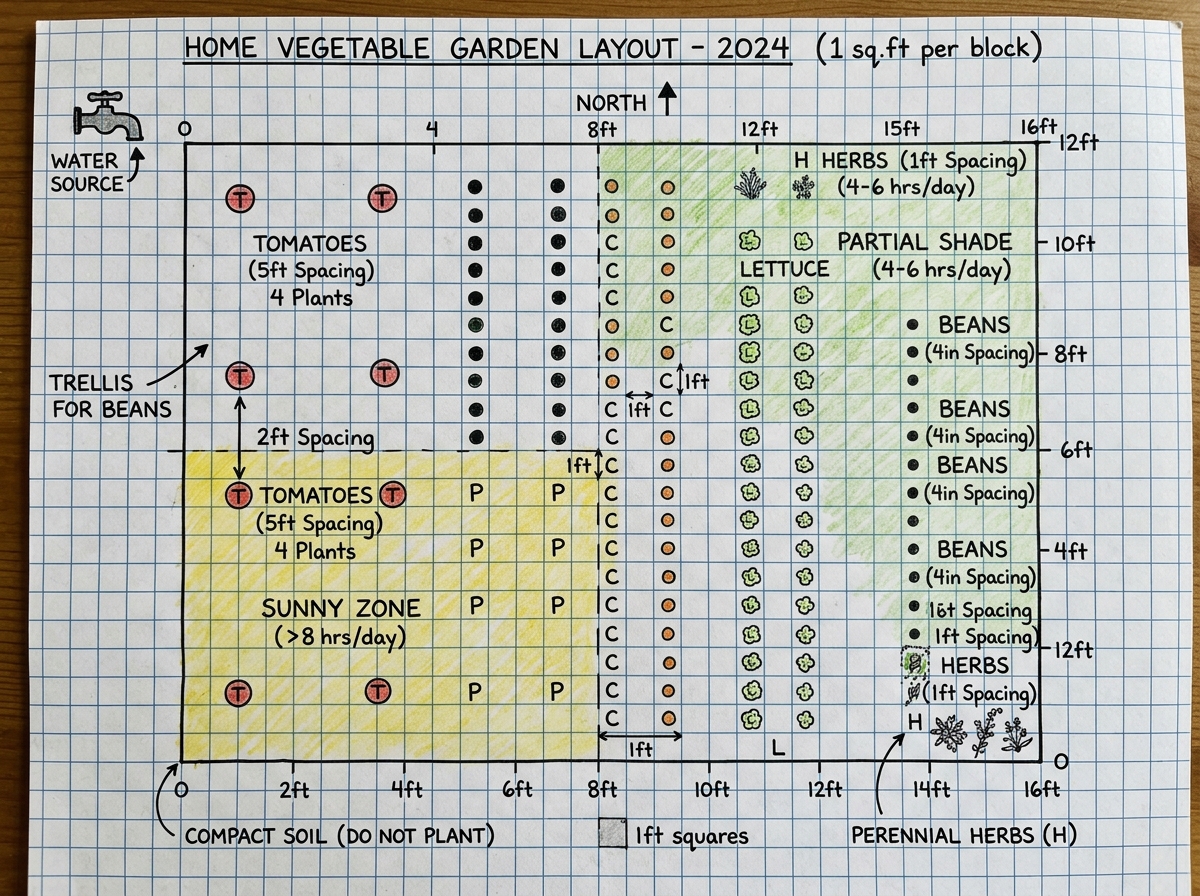
Before we ever touch a shovel, we need a roadmap. Think of your garden like real estate: location and scale are everything. Jumping into a massive backyard transformation is the fastest way to burn out. Instead, we recommend starting with a clear vision and a humble footprint.
If you live in an apartment or a house with a tiny yard, don’t worry. You can still find success by transforming your balcony into a green oasis. The principles of planning—sunlight, water, and space—remain the same whether you have an acre or a window box.
Tip 1: Start Small to Avoid Overwhelm
The biggest mistake we see is “garden envy” fueled by social media. You see a massive, lush vegetable patch and want to replicate it instantly. However, most experts agree that new gardeners should start with no more than 100 square feet.
Why 100 square feet? Because it’s manageable. At a maintenance rate of 1.5 minutes per square foot per week, a 100-square-foot garden requires about 2.5 hours of work weekly. If you go smaller—say, 25 square feet—you’re looking at just under 40 minutes a week. That is a commitment most of us can actually keep.
If you are tight on space, you can get started with gardening balcony planter boxes. These allow you to control the environment completely without the back-breaking work of tilling a yard.
Tip 2: Know Your Hardiness Zone and Frost Dates
Plants are picky about the weather. To succeed, you must know your USDA Plant Hardiness Zone. This system divides regions based on their average annual minimum winter temperature. If you buy a plant rated for Zone 9 but you live in Zone 5, that plant likely won’t survive the winter.
Equally important are your local frost dates.
- Last Frost Date: The average date of the last freezing temperatures in spring. This tells you when it’s safe to put “warm-weather” plants like tomatoes outside.
- First Frost Date: The average date of the first freeze in autumn. This tells you when your growing season is coming to an end.
Always check the back of your seed packets. They will often say something like “plant 2 weeks after the last frost.” Ignoring these dates is a recipe for “plant heartbreak.”
Tip 3: Choose the Right Location
Your plants need three things to thrive: sun, water, and you.
- Sunlight: Most edible plants (vegetables, fruits, and herbs) need at least 6 to 8 hours of direct sunlight daily. Observe your yard or balcony throughout the day. A spot that looks sunny at 10 AM might be in total shade by 2 PM. For those with limited options, understanding proper sunlight exposure for balcony gardening is vital.
- Water Access: Don’t put your garden at the very back of the property if your hose doesn’t reach. If watering becomes a chore, you won’t do it.
- Visibility: “Out of sight, out of mind” is a real thing in gardening. Place your garden where you will see it every day—perhaps near the back door or along the path to your car.
Mastering Soil and Plant Selection
Once the location is set, we need to focus on the “black gold” of gardening: the soil. You can have the best seeds in the world, but if they are sitting in hard, nutrient-poor dirt, they won’t produce.
Tip 4: Build Healthy Soil (One of the 10 top gardening tips for beginners)
Soil isn’t just “dirt”—it’s a living ecosystem. For beginners, the goal is loamy soil. This is soil that holds moisture but drains well, and is crumbly to the touch.
If you are planting in the ground, we suggest mixing 3 inches of fresh garden soil into the top 6 to 8 inches of your existing soil. If you are using pots, choosing the best potting mix for your container garden is non-negotiable. Never use “garden soil” or “topsoil” in a pot; it’s too heavy and will suffocate the roots.
Proper drainage is the secret to avoiding the dreaded “black thumb.” Without it, your plants will suffer from soggy feet. Learning how to prevent root rot in pots will save your plants from an early grave.
Tip 5: Pick Easy-to-Grow Crops (One of the 10 top gardening tips for beginners)
Don’t start with finicky, long-season crops like cauliflower or giant pumpkins. Start with “quick wins.”
- Lettuce and Spinach: These have shallow roots and grow fast. Lettuce only needs a 6-inch deep pot!
- Radishes: These are the “instant gratification” crop. Some varieties are ready to eat in just 25 days.
- Herbs: Basil, chives, and cilantro are incredibly hardy. You can easily learn how to grow basil in small pots for fresh caprese salads all summer.
- Tomatoes: While they need more sun, growing tomatoes in containers on a balcony is very rewarding if you choose “determinate” or bush varieties.
- Root Veggies: If you have deeper pots, try growing dwarf carrots in containers. They are much easier than full-sized varieties which often get “wonky” in tough soil.
Essential Maintenance: Watering, Mulching, and Pests
Maintenance is where the “1.5 minutes per square foot” comes into play. It’s not about spending a whole Saturday in the dirt; it’s about consistent, small actions.
Tip 6: Master Watering Techniques
Most beginners either drown their plants or let them turn into hay. The “Finger Test” is our favorite tool—and it’s free!
- Stick your finger into the soil up to the second knuckle.
- If the soil feels dry, water.
- If it feels damp, leave it alone.
As a general rule, most gardens need about 1 inch of water per week. It is better to water deeply once or twice a week than to give a light sprinkle every day. Deep watering encourages roots to grow further down into the soil, making the plant more resilient.
Timing matters, too. We recommend watering in the morning to reduce evaporation and prevent fungal diseases. For more specifics, check out these efficient watering techniques for balcony gardeners.
Tip 7: Use Mulch and Organic Fertilizer
Mulch is a gardener’s best friend. Applying a 2 to 3-inch layer of organic mulch (like straw, shredded leaves, or wood chips) does three things:
- It keeps the soil cool and moist.
- It blocks sunlight from reaching weed seeds.
- It breaks down over time, feeding the soil.
Since plants in containers or small beds can quickly exhaust the nutrients in their soil, you’ll also need to feed them. We prefer using organic fertilizers like fish emulsion or compost tea. If you want to go the DIY route, balcony composting is a great way to turn kitchen scraps into plant food.
Tip 8: Manage Pests and Diseases Naturally
Pests are a part of nature, but they don’t have to ruin your harvest. Instead of reaching for harsh chemicals, try these organic methods:
- Beneficial Insects: Ladybugs and lacewings are natural predators of aphids.
- Neem Oil: This is a natural oil that helps control fungus and soft-bodied insects.
- The “Hand-Pick” Method: Sometimes, the best pest control is simply picking off the hornworm or beetle and dropping it into a bucket of soapy water.
If you are gardening in a confined space, dealing with pests in your balcony garden requires a proactive approach, such as checking under leaves daily.
Tools and Long-Term Success
You don’t need a shed full of power tools to grow a salad. In fact, overspending on gadgets is a common beginner pitfall.
Tip 9: Invest in Basic Tools
To get started, you really only need four things:
- A Sturdy Trowel: For digging small holes and moving soil.
- Gardening Gloves: To protect your hands from thorns, blisters, and bugs.
- A Watering Can or Wand: To deliver water gently to the base of the plants.
- Pruning Shears: Essential for keeping plants healthy. For example, pruning herbs for increased yield ensures your basil stays bushy rather than tall and spindly.
Tip 10: Keep a Garden Journal and Observe Daily
Gardening is a game of “harvesting or learning.” If a plant dies, it’s not a failure; it’s data. We highly recommend keeping a simple notebook or a digital file to track:
- When you planted each seed.
- Which varieties tasted the best.
- When the first pests appeared.
- The weather patterns (was it a particularly dry July?).
Spending 5 minutes a day just looking at your plants—not even working, just observing—will help you catch problems before they become disasters. This is especially true when planning your balcony herb garden layout, as you’ll notice which plants are thriving in specific corners.
Frequently Asked Questions about Beginner Gardening
What is the ideal size for a beginner’s garden?
We recommend starting with a space no larger than 100 square feet. For many, a few 4×4 foot raised beds or even 5 to 10 large containers is the perfect starting point. This scale ensures you spend more time enjoying the garden than fighting it.
How do I know when to water my plants?
Use the finger test. Stick your finger one inch (or one knuckle) deep into the soil. If it feels dry, it’s time for a deep soak. If it feels cool and damp, check again tomorrow. Over-watering is just as dangerous as under-watering!
Which vegetables are easiest for beginners to grow?
Radishes, lettuce, and green beans are incredibly forgiving. If you are looking for herbs, mint and basil are almost impossible to kill as long as they have water and sun. For a full list of apartment-friendly options, check out our guide on the best herbs to grow on a balcony.
Conclusion
At Finance Growth X, we believe that gardening is one of the most rewarding investments you can make in your health and home. Whether you are growing a single pot of basil or a full backyard patch, the journey toward sustainable living starts with that first seed.
Don’t let the fear of a “black thumb” stop you. Use these 10 top gardening tips for beginners, start small, and enjoy the process of watching something grow.
Ready to dig in? Start your journey with our guide to container gardening and see how easy it is to grow your own food, even in the smallest of spaces!
