
Why a Compact Herb Garden Belongs on Every Balcony or Windowsill
A compact herb garden lets you grow fresh, flavorful herbs in as little as one square foot — perfect for balconies, patios, or kitchen windowsills.
Quick-start options for a compact herb garden:
| Setup | Best For | Space Needed |
|---|---|---|
| Windowsill pots | Indoors, year-round | Under 1 sq ft |
| Tiered planter stand | Balcony, multiple herbs | 2-4 sq ft |
| Vertical wall planter | Maximum herbs, minimal floor space | 1-2 sq ft |
| Smart garden kit (e.g., Click & Grow) | Beginners, no-fuss growing | Under 1 sq ft |
| Raised pocket planter (e.g., VegTrug) | Patio, ergonomic access | ~4.5 sq ft |
Best herbs to start with: basil, chives, thyme, oregano, and compact rosemary varieties.
Imagine stepping outside your apartment door and snipping fresh thyme for tonight’s pasta — no grocery run, no wilted supermarket bunches, no additives. That’s the everyday reality a compact herb garden makes possible, even with almost no outdoor space.
The good news? You don’t need gardening experience or a big budget. Herbs are forgiving, fast-growing, and among the most rewarding plants you can grow in containers. Some kits promise a first harvest in as little as 10 to 14 days.
Whether you have a sun-drenched balcony or just a bright kitchen window, this guide walks you through everything — from picking the right herbs and containers to keeping them thriving season after season.

Choosing the Best Setup for Your Compact Herb Garden
When we talk about a compact herb garden, we are really talking about maximizing efficiency. In an urban environment, floor space is premium real estate. We have to look up, look down, and look at the edges of our living spaces to find the perfect home for our greens.
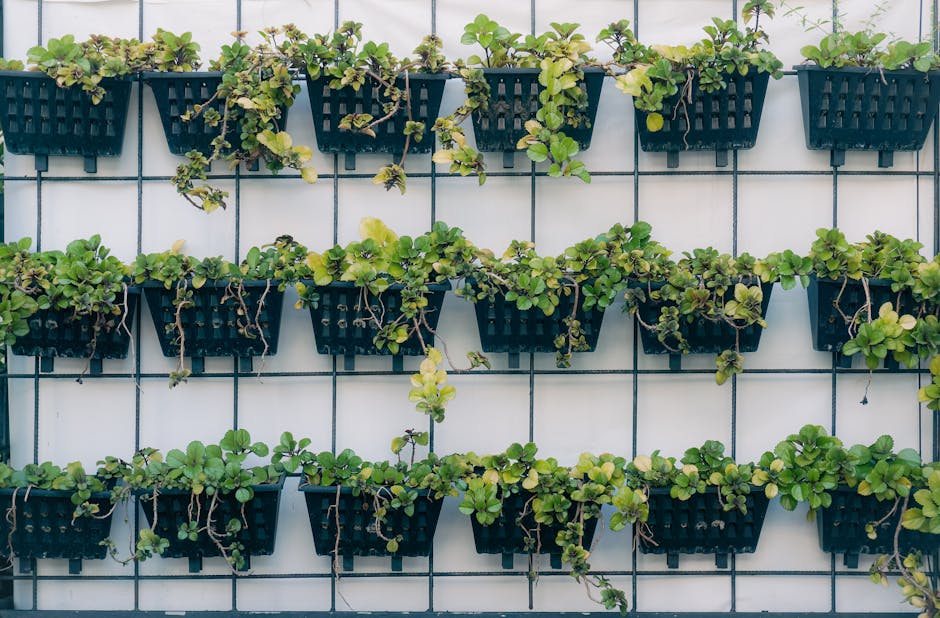
The most successful setups often involve creating your own vertical herb garden on your balcony. Verticality is a game-changer; by using wall-mounted planters or stacked “tower” pots, you can grow a dozen different herbs in the footprint of a single dinner plate. If you are renting an apartment, vertical gardening containers perfect for apartment balconies offer the flexibility to move your garden if you relocate.
Before you buy your first bag of soil, spend a few days observing the “microclimates” of your space. Does the corner of your balcony get blasted by afternoon sun, or is it tucked in a permanent shadow? Most herbs crave 4 to 6 hours of direct sunlight. Air circulation is also vital—herbs packed too tightly in a stagnant corner are an invitation for powdery mildew.
Ideal Herbs for a Compact Herb Garden
Not all herbs are created equal when it comes to living in tight quarters. Some, like standard mint, are “space hogs” that will choke out their neighbors if given half a chance. For a successful compact herb garden, we want varieties that are naturally well-behaved or “dwarf” cultivars.
Here are our top picks for small-space success:
- Blue Boy Rosemary: This is a superstar for containers. It is the shortest, slowest-growing rosemary variety, reaching only about 2 feet in diameter after several years, yet it packs an intense flavor.
- Window Box Garden Sage: Unlike regular sage that can become a massive shrub, this variety rarely exceeds 1 foot in height, making it perfect for windowsill boxes.
- Hi-Ho Silver Thyme: This stays compact (1-2 feet) and offers beautiful variegated leaves that look as good as they taste.
- Italian Oregano: This variety grows more like an upright shrub than the spreading Greek version, which helps it stay within its designated boundaries.
- Chives: These are essentially “plant and forget” herbs. They grow vertically and don’t spread aggressively. Learn how to grow chives in small pots to keep your baked potatoes topped year-round.
- Basil: A kitchen staple. If you’re tight on space, look for “Boxwood” basil or learn the specific techniques for how to grow basil in small pots to keep them bushy rather than leggy.
For more inspiration, check out our list of the best herbs to grow on a balcony.
Selecting Containers for Your Compact Herb Garden
The container is the “house” your herb lives in, and the material matters more than you might think.
- Cedar Wood: Naturally rot-resistant and beautiful. Products like the Herb Garden (or the VegTrug USA and VegTrug UK versions) use FSC-certified cedar that repels pests and fungus naturally.
- Food-Grade Steel: Galvanized steel tubs are trendy and durable. You can even DIY a planter from a 17-gallon steel tub for under $50. Just be sure to drill drainage holes every 3-4 inches!
- Terra Cotta: The classic choice. It’s breathable, which helps prevent root rot, but it dries out quickly in hot weather.
- Breathable Grow Bags: These are fantastic for root health. The fabric “air-prunes” the roots, preventing them from circling the pot. The Savory Mini Patio Garden Kit – Gardenuity uses a microfiber grow bag that provides excellent drainage and aeration.
- Sub-Irrigated Systems: If you tend to forget to water, look at the The #1 Herb Garden Kit from EarthBox. These systems use a water reservoir at the bottom, allowing plants to “drink” as needed, which eliminates the guesswork.
Regardless of the material, ensure your pots have adequate drainage. Herbs hate “wet feet.” We recommend at least 6 inches of depth for most herbs, though taproot-heavy plants like parsley or cilantro prefer 12 inches. See our guide on how to grow plants in small pots on your balcony for more container wisdom.
Step-by-Step Guide to Planting Your Small Herb Garden
Ready to get your hands dirty? Setting up your compact herb garden is a therapeutic weekend project.
- Prep the Soil: Don’t just grab “dirt” from the backyard. Containers need a porous, nutrient-rich mix. We recommend a “103 mix”: equal parts topsoil, compost, and coarse sand, plus a handful of earthworm castings for a nutrient boost. You can find more details in our guide on choosing the best potting mix for your container garden.
- Hydrate: Water your herb plants in their nursery pots before transplanting. This reduces transplant shock.
- The “Tease”: Gently remove the plant from its plastic pot. If the roots are circling the bottom, gently tease them outward so they can explore their new home.
- Planting: Place taller herbs (like rosemary or basil) toward the back or center, and trailing herbs (like thyme or oregano) near the edges.
- Firm and Water: Pack the soil firmly to eliminate air pockets, but don’t stomp it down. Water gently until it runs out the drainage holes.
| Herb Category | Examples | Water Needs | Best Placement |
|---|---|---|---|
| Mediterranean | Rosemary, Thyme, Sage, Oregano | Low (Dry-loving) | Edges (drier soil) |
| Moisture-Loving | Basil, Cilantro, Parsley, Chives | Moderate to High | Center (holds moisture longer) |
| The “Loner” | Mint | High | Its own separate pot! |
If you’re a fan of salsa, you’ll definitely want to learn how to grow cilantro in pots, as it has a deep taproot that requires specific care during the planting phase.
Grouping Herbs by Water and Light Needs
One of the biggest mistakes beginners make is planting a water-loving herb like mint next to a drought-tolerant herb like rosemary. They will fight, and one will likely die.
Always group your herbs by their “personality.” Rosemary, thyme, and sage are the “Mediterranean trio”—they love sun and sandy, well-draining soil. Basil and cilantro are the “thirsty duo”—they want more frequent watering and slightly richer soil.
Also, consider proper sunlight exposure for balcony gardening. If you have a spot that only gets partial sun, focus on best herbs for indoor balcony gardens like mint, parsley, or chives, which are more tolerant of lower light levels.
Pro-Tip: Always isolate mint. Its roots are aggressive and will quickly wrap around other plants, essentially “strangling” your garden. Give mint its own dedicated pot.
Essential Care: Soil, Water, and Sunlight Success
Maintenance for a compact herb garden is less about “work” and more about “observation.” Because container soil volume is small, it can dry out or run out of nutrients faster than a traditional garden bed.
- Watering: Check your plants daily. Stick your thumb an inch into the soil; if it feels dry, it’s time to water. Morning is the best time to water to prevent fungal issues. For those with a busy schedule, easy and efficient watering techniques for balcony gardeners or thrive with thyme: self-watering containers for herbs can save your plants from dehydration.
- Feeding: Container herbs need regular snacks. Use a water-soluble organic fertilizer like liquid kelp or fish emulsion every two weeks during the growing season.
- Drainage and Mulch: To prevent soil from washing out of large drainage holes, line the bottom of your pot with burlap or a fine mesh. Adding an inch of cedar mulch on top of the soil helps conserve moisture and keeps the roots cool during summer heatwaves.
Maintenance, Harvesting, and Troubleshooting
The secret to a lush compact herb garden is actually harvesting. The more you snip, the more the plant grows.
- Pruning: Pruning herbs for increased yield in balcony gardens is essential. For basil, always snip just above a leaf node to encourage the plant to branch out into two stems instead of one.
- Layout: Keep your garden organized. Balcony herb garden layout tips suggest keeping the most-used herbs closest to the door for easy access while cooking.
- Troubleshooting:
- Root-bound plants: If your herb is wilting despite being watered, or if the soil feels hard as a rock, it’s likely root-bound. You may need to repot it into a larger container or perform “root pruning.”
- Yellowing leaves: This is often a sign of overwatering or nutrient depletion. Check the drainage and ease up on the watering can.
- Winter Protection: When temperatures drop, move your containers closer to the house for warmth. If a hard freeze is coming, bring smaller pots indoors. Container roots lack the insulation of the ground!
Frequently Asked Questions about Compact Herb Gardens
How do I know if my herbs are root-bound?
When a plant outgrows its pot, the roots begin to circle the interior, eventually forming a solid mass that can’t absorb water or nutrients. Signs include water running straight through the pot without soaking in, yellowing leaves, and stunted growth. If you poke the soil and it feels solid and impenetrable, it’s time to repot. As a rule of thumb, check your container herbs every spring.
Can I grow herbs indoors year-round?
Absolutely! The key is light. Most kitchen windows don’t provide enough light in the winter. We recommend using grow lights set on a 16-hour-on/8-hour-off cycle. Keep the lights about 6 inches above the plants. You can also look into “smart” kits like Click & Grow, which have grown over 10,000,000 plants globally using automated light and water systems.
Which herbs should never be planted together?
Avoid planting “thug” herbs like mint or oregano in the same container as delicate herbs like cilantro or basil. Mint’s spreading rhizomes will quickly take over. Also, don’t mix herbs with drastically different water needs. For example, Mediterranean rosemary (which likes to dry out) will rot if planted in the same pot as moisture-loving parsley.
Conclusion
Starting a compact herb garden is one of the most sustainable and rewarding steps you can take toward culinary independence. At Finance Growth X, we believe that luxury isn’t just about what you buy—it’s about the quality of the life you build. Having a “living pantry” on your balcony provides fresh flavors, reduces grocery waste, and brings a touch of nature into the urban grind.
Whether you choose a pre-made kit like the Savory Mini Patio Garden Kit – Gardenuity or build a DIY vertical wall, the most important step is simply to start. Snip, cook, and enjoy the literal fruits (and leaves) of your labor.
Ready to expand your green thumb? Start your container garden journey today and discover how much you can grow in even the smallest spaces.
