
Why a Vertical Garden Wall Is the Smartest Move for Small Spaces
A vertical garden wall lets you grow plants on any upright surface — turning a bare fence, balcony wall, or interior wall into a living, breathing garden.
Here’s the quick version of how to build one:
- Choose a system — pocket planters, modular panels, stackable tiers, or a DIY wood frame
- Pick your wall — indoors or outdoors, any solid surface works
- Select your plants — herbs, succulents, ferns, or leafy greens depending on your light levels
- Install and water — mount your system, fill with potting mix, plant, and set up irrigation or water manually 2-3 times per week
If you have a small balcony or apartment with zero ground space, a vertical garden wall is one of the most practical upgrades you can make. You grow up instead of out.
The appeal goes beyond just saving space. Research shows that spending time around plants improves focus, lowers stress, and even boosts productivity. And with over 5,000 vertical garden wall products available on Amazon alone — ranging from simple felt pocket hangers to self-watering modular systems — there has never been a better time to start.
The best part? You can build a solid setup in a single weekend, often without special tools or professional help.
Choosing the Right Vertical Garden Wall System
Before we grab the power drill, we need to decide which “skeleton” our garden will have. Not all walls are created equal, and the system you choose depends on your budget, your DIY confidence, and whether you’re working with a tiny apartment nook or a sprawling backyard fence.
Pocket Planters
These are often made of heavy-duty felt or breathable fabric. They are the “entry-level” heroes of the vertical gardening world. Products like the MEIWO Hanging Planter (which has over 3,000 reviews!) allow air to reach the roots, preventing the dreaded root rot. They are lightweight and easy to hang with a few hooks.
Stackable Tiers
If you aren’t ready to drill into your siding, stackable systems are fantastic. The Mr. Stacky 5-Tier Planter is a crowd favorite, with over 600 units bought in the last month alone. These are essentially “towers” of pots that share a central watering line.
Modular Panels and Grids
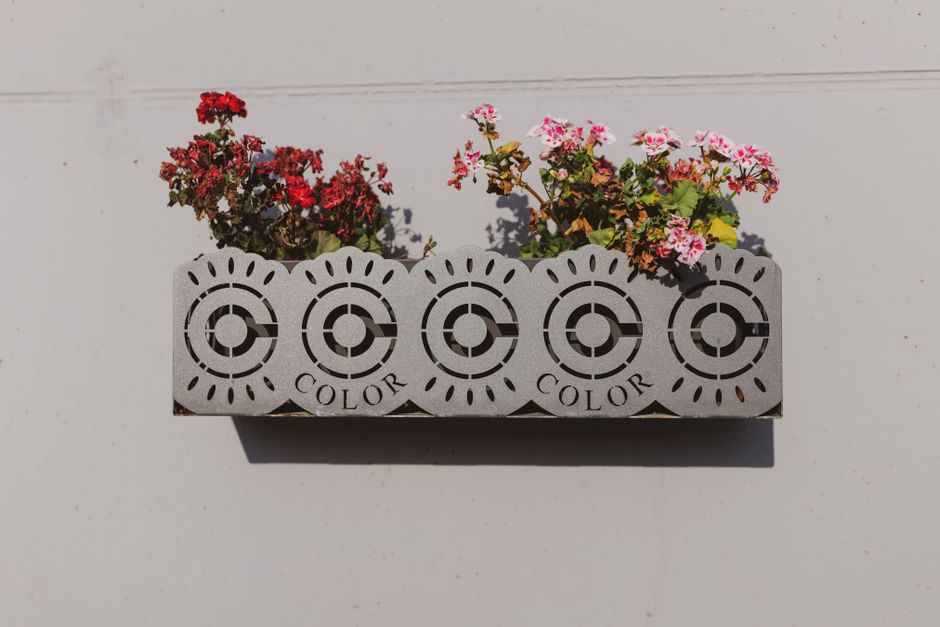
For a professional “living wall” look, modular systems use rigid plastic or metal frames. Systems like the Florafelt Vertical Garden Pro System use a wire grid that allows you to “tuck” plants in. These are incredibly robust and can cover entire building facades.
Trellis Systems
The classic choice for climbers. A simple wooden or metal lattice works wonders for ivy, jasmine, or even climbing vegetables like peas.
For those living in tighter quarters, check out these vertical garden ideas for apartments to see how these systems fit into a modern home.
| Material | Pros | Cons | Best For |
|---|---|---|---|
| Felt Pockets | Breathable, inexpensive, lightweight | Dries out quickly, can stain walls | Herbs and annuals |
| Wooden Frames | Beautiful, sturdy, custom sizes | Heavy, requires sealing against rot | Edible gardens |
| Plastic Modular | Often self-watering, very durable | Can look “industrial,” pricier | Large-scale living walls |
| Metal Grids | Industrial chic, long-lasting | Can get hot in direct sun | Professional installations |
How to Build a DIY Vertical Garden Wall
If you are the type who loves the smell of sawdust on a Saturday morning, building your own frame is the way to go. A custom-built vertical garden wall ensures the structure fits your space perfectly.
Based on expert gardening guides, a sturdy outdoor wall usually requires a “post and runner” system. Here is how we recommend tackling this project:
- Prep the Foundation: If you are building a freestanding wall, you’ll need to dig two 30-inch deep holes for your main posts. Use cedar or pressure-treated wood (6×6 posts are ideal) to ensure it doesn’t rot the first time it rains.
- Build the Frame: Attach horizontal “runners” (2×6 boards) across your posts. These runners act as the mounting points for your planters.
- Prevent the Sag: If your wall is wider than 5 feet, add vertical support boards in the middle to prevent the runners from bowing under the weight of wet soil and plants.
- Attach the Pockets or Pots: You can screw fabric pocket bags directly into the runners. Space them about 11 inches apart vertically so the plants have room to “cascade” down and cover the structure.
- Soil and Irrigation: Fill your pockets halfway with high-quality potting soil. If you want to save time later, run a 1/4″ drip irrigation line through the top of the pockets.
For a detailed walkthrough, you can follow this How to Build a Vertical Garden Wall guide or dive into our step-by-step guide to creating a vertical herb garden.
Selecting Materials for Your Vertical Garden Wall
- Cedar Wood: This is the gold standard. It’s naturally rot-resistant and smells amazing.
- Recycled Plastic: Great for modular systems. It’s light and won’t degrade over time.
- Felt Fabric: Look for “PETA-certified” or recycled PET felt. It’s incredible for root health because it “air-prunes” the roots.
- Galvanized Metal: Perfect for that modern farmhouse look, but be careful—metal can cook your roots if it’s in the blazing afternoon sun.
Essential Tools for Installation
You don’t need a workshop full of tools, but a few basics are non-negotiable:
- Power Drill: For mounting the frame or pockets.
- Level: Because a crooked garden is a sad garden.
- Masonry Screws: If you are mounting directly to a brick or concrete wall.
- Staple Gun: Essential for securing landscape fabric if you are using a pallet design.
- Measuring Tape: Measure twice, drill once!
Best Plants for Your Vertical Garden Wall
The secret to a stunning vertical garden wall isn’t just the structure; it’s the “residents.” Not every plant enjoys living on a wall. You want plants that don’t mind their roots being in a slightly confined space.
Edible Herbs
Basil, mint, parsley, and chives are the “Big Four.” They grow quickly and love the drainage provided by vertical systems. Plus, having a “kitchen wall” makes cooking feel like a five-star experience.
Succulents
If you are a “forgetful” gardener, succulents like Echeveria or Jade are your best friends. They require very little water. Just remember that if you use a vertical frame for succulents, you should let them sit flat for 2-3 weeks to let the roots take hold before hanging the frame up!
Ferns and Foliage
For indoor walls or shady outdoor spots, ferns and Pothos (Devil’s Ivy) are incredible. Pothos will eventually grow long, trailing vines that create a “jungle” effect.
Leafy Greens
Lettuce, spinach, and kale thrive in vertical towers. Since they have shallow root systems, they don’t need deep pots.
If you are worried about finding the right home for these plants, see our guide on perfect containers for apartment balconies.
Light and Water Needs for a Vertical Garden Wall
- Full Sun (6+ hours): Best for herbs, vegetables, and most succulents.
- Partial Shade: Ideal for ferns, hostas, and begonias.
- Drainage: This is critical. Vertical gardens dry out faster than traditional gardens because of the increased surface area. Always ensure your system has drainage holes or uses breathable fabric.
- Hydroponic Options: For those who want to skip the dirt, systems like The ECO Living Green Wall use water and nutrients alone, which is perfect for indoor “clean” gardening.
Maintenance and Care for Long-Term Success
A vertical garden wall is a living thing, not a piece of furniture. It needs a little love to stay lush.
The Watering Routine
Vertical gardens are thirsty. In the summer, you might need to water 2-3 times a week. We highly recommend looking for systems with a “self-watering” feature. The PlantPod Luxe and the LivePicture 2 both feature integrated reservoirs that can keep plants hydrated for up to 4-6 weeks.
Feeding Your Plants
Because the soil volume in a wall planter is small, plants can quickly use up all the nutrients. Use a liquid fertilizer every 4-6 weeks during the growing season to keep the colors vibrant.
Pruning and Pest Management
Don’t be afraid to give your wall a haircut! Pruning encourages thicker growth. Also, keep an eye out for pests like aphids. Because plants are closer together in a vertical setup, a bug problem can spread quickly. A simple neem oil spray usually does the trick.
For more maintenance hacks, read Got a Wall? Turn it into a Vertical Garden.
Frequently Asked Questions about Vertical Gardening
Can vertical garden walls be used indoors?
Absolutely! Indoor walls are great for air purification. NASA studies have shown that indoor plants can remove toxins like formaldehyde from the air. Just make sure you have enough light (or add a full-spectrum LED grow light) and a waterproof backing to protect your drywall. Systems like the Tevagrow™ – TEVAWALL™ are specifically designed for indoor use with built-in water containment.
How often should I water my vertical garden?
It depends on the “finger test.” Stick your finger an inch into the soil; if it’s dry, it’s time to water. Generally, outdoor walls need water every 2-3 days in summer, while indoor walls might only need it once a week.
What are the best DIY options for beginners?
If you’re on a budget, try these:
- The Shoe Organizer: A clear plastic over-the-door shoe organizer makes a great herb garden.
- The Pallet Garden: Find a heat-treated (marked “HT”) wooden pallet, staple landscape fabric to the back, and fill with soil.
- Gutter Gardens: Attach sections of vinyl rain gutters to a fence for a sleek, modern look.
Conclusion
At Finance Growth X, we believe that you don’t need a massive backyard to enjoy the benefits of sustainable living. Whether you are looking to boost your home’s “green” rating, lower your stress levels, or just have fresh basil for your pizza, a vertical garden wall is the ultimate weekend project.
It’s an investment in your mental health and your home’s aesthetic. By embracing biophilic architecture, you aren’t just decorating a room; you’re building an ecosystem.
Ready to transform your space? Start your urban garden design journey today and turn that boring wall into a masterpiece!
