
Why Balcony Garden Container Ideas Can Transform Any Small Space
Balcony garden container ideas are one of the fastest ways to turn a bare slab of concrete into a lush, living retreat — even if you only have a few square feet to work with.
Here are the most effective balcony container ideas to get you started:
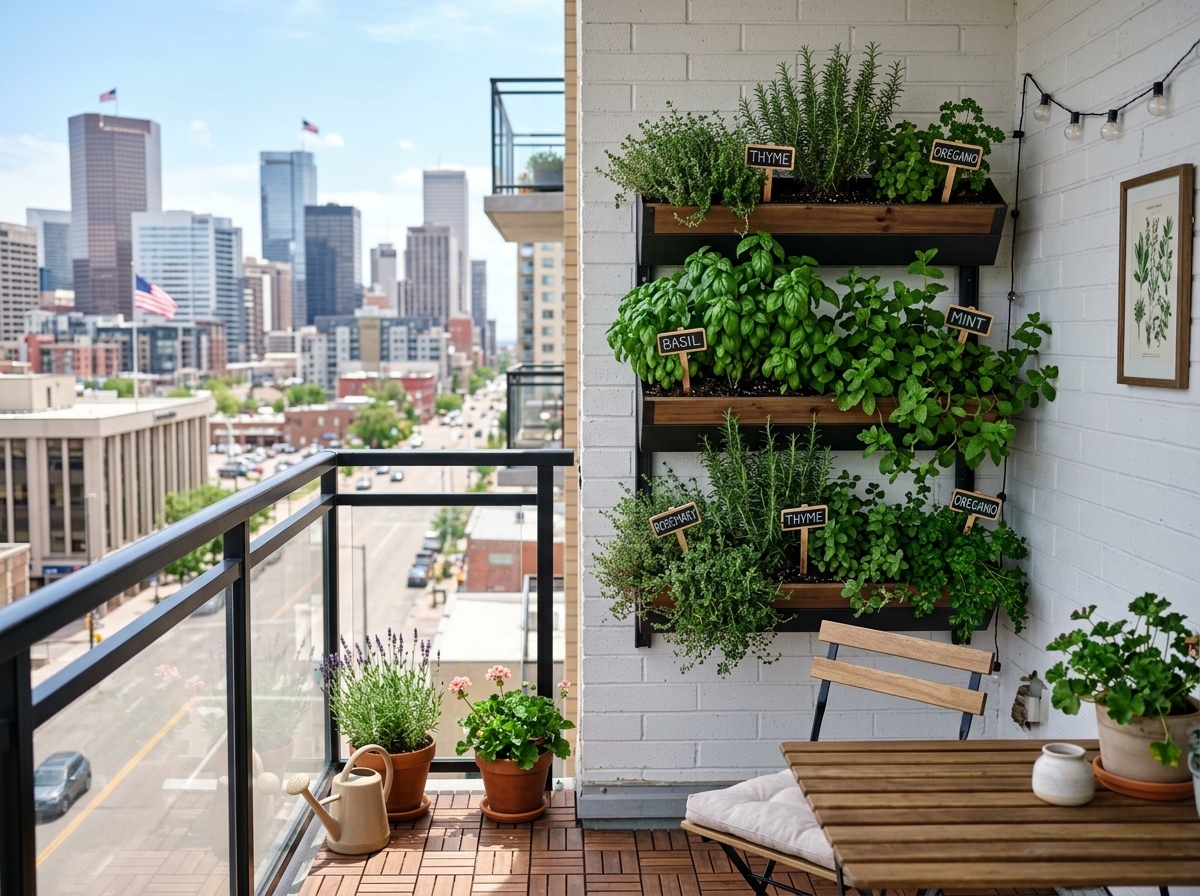
- Vertical wall planters — mount on walls or railings to multiply growing space without using floor area
- Railing boxes — attach long planters to balcony railings for herbs, flowers, or trailing plants
- Tiered plant stands — stack containers at different heights for a layered, full look
- Hanging baskets — use ceiling hooks or brackets for trailing plants like morning glories or succulents
- Fabric grow bags — lightweight, excellent drainage, great for tomatoes and peppers
- Galvanized or resin containers — durable, weather-resistant, and stylish for larger specimens like dwarf trees or bamboo
- Repurposed crates and buckets — budget-friendly DIY options that add character
Most balcony gardeners run into the same wall: too little space, too many ideas, and not enough guidance on what actually works. The good news? You don’t need a yard. You need the right containers, the right plants, and a simple plan.
Whether you’re after a colorful flower display, a productive herb wall, or a private green escape on a high-rise, containers are the key. Vegetables need containers at least 5 gallons for compact varieties, while herbs thrive in pots as small as 8–12 inches. And one of the most important tips from experienced balcony gardeners: spend 80% of your container budget on quality soil — it makes more difference than almost anything else.

Choosing the Right Materials for Balcony Garden Container Ideas
When we start dreaming of a sky-high sanctuary, it’s easy to get swept away by the aesthetics of a beautiful pot. However, on a balcony, the material of your container is a functional decision first and a stylistic one second. We have to account for three major “balcony bosses”: weight limits, wind resistance, and drainage.
Weight Limits and Structural Safety
Before you buy that massive concrete planter, check your building’s weight restrictions. Soil is heavy, and wet soil is even heavier. For high-rise living, we recommend lightweight materials like resin, fiberglass, or plastic. Resin planters are particularly clever because they are UV-resistant (meaning they won’t fade in the harsh afternoon sun) and mimic the look of stone or ceramic without the back-breaking poundage.
Wind Resistance and Durability
High-altitude balconies are essentially wind tunnels. Lightweight pots can easily become projectiles if they aren’t secured. To combat this, we often use heavier galvanized steel troughs for larger plants like bamboo, which provide a low center of gravity. If you use plastic pots, consider “grouping” them together or placing them in a heavier outer cachepot to keep them grounded.
Material Comparison
| Material | Weight | Insulation | Lifespan | Best For |
|---|---|---|---|---|
| Resin/Plastic | Very Light | Moderate | 5-10 Years | Annuals, Herbs |
| Fiberglass | Light | High | 10+ Years | Small Trees, Perennials |
| Terracotta | Heavy | Low (Dries fast) | Variable | Mediterranean Herbs |
| Fabric Bags | Ultra Light | High (Breathable) | 2-5 Years | Potatoes, Tomatoes |
| Galvanized Steel | Medium | Low (Heats up) | 15+ Years | Privacy Screens |
Fabric grow bags are a secret weapon for urban gardeners. They provide incredible drainage and “air-prune” roots, preventing the plant from becoming root-bound. Plus, they are easy to fold up and store during the winter. For more on maximizing your vertical reach with these materials, check out our guide on vertical gardening containers perfect for apartment balconies.
Vertical and Railing Solutions to Maximize Square Footage
If your balcony floor is already occupied by a bistro set and a pair of shoes, it’s time to look up. Vertical gardening isn’t just a trend; it’s a necessity for small-space survival. By utilizing walls and railings, we can create a “green cocoon” that feels much larger than the actual square footage.
Railing Boxes and Hangers
The railing is prime real estate. Balcony railing planters for vegetables allow you to grow lettuce, spinach, and even strawberries at waist height. Ensure these are securely fastened with adjustable brackets to prevent them from tilting outward. For safety, always hang boxes on the inside of the railing unless your building specifically allows otherwise.
Hanging Baskets and Tiered Stands
Hanging baskets are perfect for “spiller” plants like trailing petunias or “Heavenly Blue” morning glories. If you can’t drill into the ceiling, use shepherd’s hooks or tension poles. We also love using tiered plant stands or “ladder” shelves. These allow you to stack 3–5 containers in the footprint of one, creating a lush wall of foliage. Discover more tips in our article on how small space gardening is made easy with hanging baskets.
Creative Balcony Garden Container Ideas for Edibles
You don’t need a backyard to eat well. Many modern cultivars are bred specifically for balcony garden container ideas.
- Tomatoes: These are the kings of the balcony. While a full-sized beefsteak needs a 15–20 gallon pot, dwarf or “patio” varieties like ‘Tumbling Tom’ can thrive in a 5-gallon container. You can find detailed steps on growing tomatoes in containers on a balcony to ensure a heavy harvest.
- Salad Greens: Lettuce and arugula have shallow roots and only need 6 inches of soil depth. You can grow these in long, narrow window boxes tucked along the perimeter.
- Root Veggies: Yes, you can grow carrots! Choose “thumb” or dwarf varieties and use a container at least 12 inches deep. For the best results, read our tips on growing dwarf carrots in containers.
Repurposed and DIY Balcony Garden Container Ideas
Gardening shouldn’t break the bank. Some of the most charming balconies we’ve seen use upcycled materials.
- Wooden Crates: Paint an old fruit crate, line it with landscape fabric, and you have a rustic planter.
- Galvanized Buckets: Drill drainage holes in the bottom of a 5-gallon bucket for a durable, industrial-chic tomato home.
- Pallet Planters: Lean a wooden pallet against a wall, staple landscape fabric to the back of the slats, and fill the “pockets” with herbs.
For more eco-friendly inspiration, see our guide on how to go green by growing vegetables in recycled containers.
Essential Soil and Watering Techniques for Success
On a balcony, your plants are 100% dependent on you. They can’t send roots into the ground to find water or nutrients. This is why we advocate for the 80% budget rule: spend 80% of your money on high-quality potting soil and only 20% on the pots themselves.
The Problem with Garden Soil
Never use “topsoil” or “garden soil” in a container. It is too heavy, it compacts easily, and it can harbor pests and diseases. Instead, use a professional potting mix. These mixes are “soilless” (usually a blend of peat or coco coir, perlite, and vermiculite) which allows for maximum oxygen flow to the roots. Learn how to choose the right one in our article on choosing the best potting mix for your container garden.
Smart Watering Strategies
Balcony containers dry out faster than you’d think, especially on windy days.
- The Finger Test: Stick your finger two inches into the soil. If it’s dry, water until it runs out the drainage holes.
- Self-Watering Reservoirs: These containers have a “well” at the bottom that allows plants to wick up moisture as needed. They are lifesavers if you travel for the weekend.
- Mulching: Adding a layer of wood chips or pebbles to the top of your pots helps retain moisture and keeps the soil cool.
Low-Maintenance Balcony Garden Container Ideas for Beginners
If you’re worried about your “black thumb,” start with these resilient choices:
- Succulents: Perfect for sunny, hot balconies. They store water in their leaves and won’t mind if you forget to water them for a week.
- Mediterranean Herbs: Rosemary, thyme, and oregano love the sun and don’t require much fertilizer.
- Chives and Basil: These are incredibly rewarding. Chives are perennials that come back every year, and basil grows rapidly in the heat. Check out our specific guides on how to grow chives in small pots and how to grow basil in small pots for foolproof results.
Designing for Privacy and Four-Season Appeal
A balcony should be a sanctuary, not a stage. We use containers to create “living walls” that block the view of the street or neighbors.
The Thriller-Filler-Spiller Method
To make a professional-looking container, use this three-part formula:
- Thriller: A tall, upright plant (like a Canna lily or ornamental grass) for height.
- Filler: Mounded plants (like geraniums or coleus) to add bulk and color.
- Spiller: Trailing plants (like sweet potato vine or ivy) to soften the edges.
Year-Round Interest
To avoid a “beige” balcony in the winter, incorporate evergreens like Boxwood or Blue Prince Holly. If you live in a cold climate, ensure your pots are at least 16 inches deep to provide enough soil insulation to protect the roots from freezing. Native prairie plants are also excellent for this, as they are naturally adapted to survive harsh seasonal shifts. For more layout inspiration, explore our compact container garden setups for small spaces.
Frequently Asked Questions about Balcony Containers
How do I prevent my balcony pots from blowing over in the wind?
Wind is the primary enemy of the balcony gardener. To keep your garden grounded:
- Heavy Bases: Use heavy ceramic or stone pots for your tallest plants.
- Grouping: Cluster pots together. This creates a collective weight that is harder to move and increases local humidity.
- Secure Tethering: Use zip-ties or bungee cords to secure railing planters to the metal bars.
- Windbreaks: Place a trellis or a bamboo screen on the windward side of the balcony to diffuse the gusts.
What are the best plants for a shady balcony?
If your balcony is blocked by other buildings and only gets 2–4 hours of sun, don’t despair! You can still have a lush garden. Focus on foliage plants like Ferns, Coleus, and Hostas. For flowers, Begonias and Impatiens thrive in the shade. Some herbs, such as mint, parsley, and chives, will also tolerate lower light levels quite well.
How do I overwinter my balcony containers?
If you want your plants to survive until next spring:
- Insulate: Wrap the outside of your pots in burlap or bubble wrap. You can also line the inside of the pot with Styrofoam before planting to create a thermal barrier.
- Freeze-Tolerant Materials: Only leave fiberglass, metal, or high-quality thick plastic pots outside. Terracotta and thin ceramic will often crack as the wet soil expands when freezing.
- Mulch Heavily: Add 3 inches of straw or wood chips to the top of the pot.
- Dormancy: Stop fertilizing in late summer to let the plant “harden off” for the winter.
Conclusion
Turning a small balcony into a thriving urban oasis is one of the most rewarding projects we can undertake. It’s about more than just plants; it’s about reclaiming a piece of the outdoors and expressing your creative freedom. By choosing the right materials, utilizing vertical space, and prioritizing high-quality soil, you can build a garden that dreams big, no matter how small the square footage.
Ready to dive deeper into making your apartment feel like a forest? Explore more info about urban garden design and start your transformation today with Finance Growth X!
