
Growing Cucumbers in Containers Is Easier Than You Think
Growing cucumbers containers is one of the most rewarding things you can do with a balcony, patio, or small outdoor space.
Here’s the quick version of what you need to know:
- Container size: Use at least a 5-gallon pot (12 inches deep), ideally 25 gallons for best results
- Best varieties: Bush types like Spacemaster, Salad Bush, or Pick A Bushel; compact vining types like Diva
- Sunlight: 6-8 hours of direct sun daily
- Watering: Check daily; water when soil is dry 1 inch down
- Fertilizing: Every 2-4 weeks with a balanced liquid fertilizer
- Support: Use a trellis, tomato cage, or netting — even for bush types
- Harvest: Expect fruit in 50-70 days; pick every 1-2 days to keep plants producing
Cucumbers have a reputation as sprawling garden plants. But they actually adapt really well to pots — as long as you give them the right conditions.
Container growing has some genuine advantages over in-ground beds. You control the soil quality completely. Pests and diseases tend to be easier to manage. And if a late frost threatens, you can simply move the pot indoors.
The catch? Containers dry out faster, nutrients wash out more quickly, and root space is limited. That means you need to be a bit more intentional than you would be in a traditional garden.
This guide walks you through everything — from picking the right pot and soil, to choosing varieties, watering, feeding, and harvesting a steady crop of fresh cucumbers all season long.
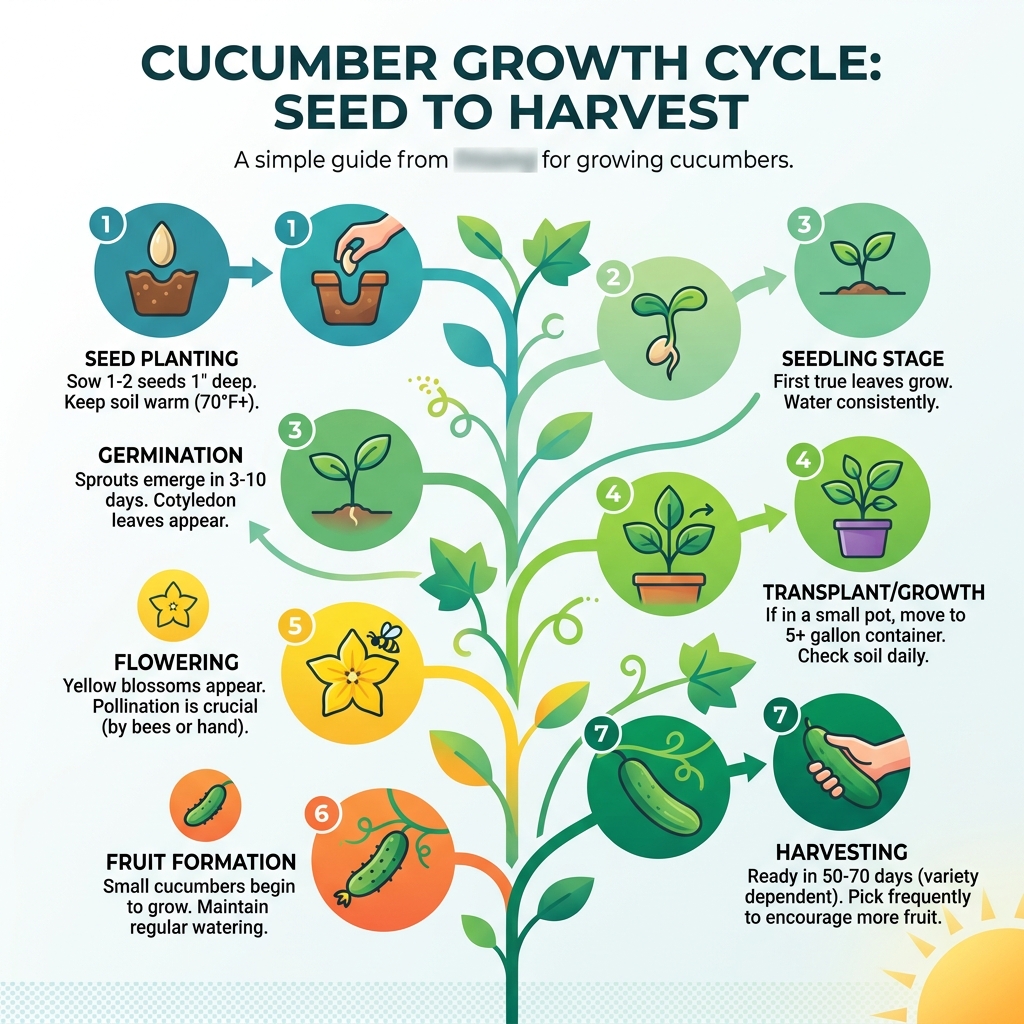
Choosing the Right Setup for Growing Cucumbers Containers
When we talk about growing cucumbers containers, the setup is your foundation. Unlike plants in the ground that can send roots deep into the earth to find water, a potted cucumber is entirely dependent on what you provide within the walls of its home.
Cucumbers are notorious for having surprisingly extensive root systems. In an open garden, their roots can spread up to three feet in every direction. When we move them into a pot, we are asking them to compromise. To make that compromise work, we need to maximize the available root volume and ensure the environment stays stable.
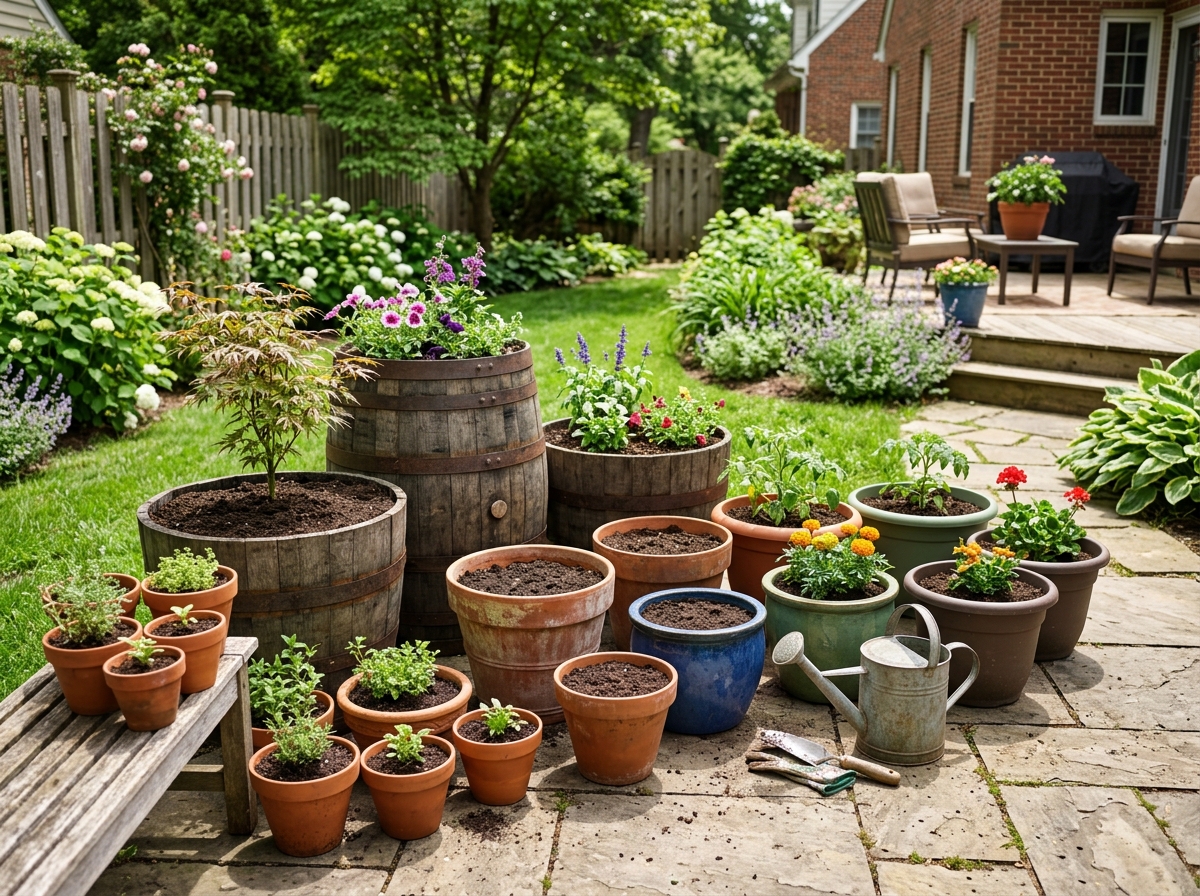
Selecting the Best Container Size and Type
Size matters more than almost anything else in container gardening. While you might see “compact” varieties marketed for small pots, our experience (and the research) shows that bigger is almost always better.
A 5-gallon bucket (roughly 12 inches in diameter and depth) is the absolute bare minimum for a single bush cucumber plant. However, if you want a truly healthy plant that doesn’t wilt the moment the sun comes out, we recommend stepping up to a 7-gallon or even a 10-gallon container. For the most ambitious gardeners, a 25-gallon half-whiskey barrel is the “gold standard.” In a 25-gallon setup, you can comfortably grow up to three plants without them competing too fiercely for resources.
Container Materials to Consider:
- Plastic Pots: Excellent for moisture retention and lightweight enough to move.
- Fabric Grow Bags: These are fantastic for aeration. They “air prune” the roots, preventing the plant from becoming root-bound and creating a dense, healthy root system.
- Self-Watering Planters: These systems feature a reservoir at the bottom, which is a lifesaver for cucumbers since they are “heavy drinkers.”
- Terra Cotta: Beautiful, but they breathe. This means they dry out very quickly in hot weather, requiring more frequent watering.
If you are working with a very limited area, check out our guide on how to grow plants in small pots on your balcony to learn how to maximize every square inch.
The Best Soil Mix for Growing Cucumbers Containers
Never, ever use straight garden soil in your pots. It is too heavy, it compacts easily, and it can harbor soil-borne diseases. For growing cucumbers containers, you need a medium that is lightweight, well-draining, but also moisture-retentive.
A winning recipe we often use is a 50/50 blend of high-quality commercial potting mix and well-aged compost. The potting mix provides the drainage (usually through perlite or vermiculite), while the compost provides the “oomph” — the nutrients and moisture-holding capacity these heavy feeders crave.
Cucumbers prefer a slightly acidic to neutral soil pH, ideally between 6.0 and 6.8. If your mix feels too heavy, you can amend it with extra coco coir or peat moss to boost water retention. For a deeper dive into choosing the right foundation, see our article on choosing the best potting mix for your container garden.
| Feature | Bush Varieties | Vining Varieties |
|---|---|---|
| Space Needed | 2-3 ft spread | 6-8 ft vertical |
| Min. Pot Size | 5 Gallons | 7-10 Gallons |
| Support | Tomato Cage (optional but recommended) | Tall Trellis or Netting (required) |
| Yield | 12-20 fruits per plant | High (continuous production) |
Top Cucumber Varieties for Pot Culture
Choosing the right variety is the “secret sauce” of success. You generally have two choices: Bush and Vining.
Bush Varieties (Determinate)
These are bred specifically for small spaces. They grow in compact mounds rather than long, wandering vines.
- Spacemaster: A classic. It produces full-sized slicers on vines that only reach about 2-3 feet.
- Bush Champion: Known for high yields and excellent disease resistance.
- Salad Bush: Very compact (about 2 feet) and perfect for 5-gallon pots.
- Pick A Bushel: A dwarf variety that can produce up to 20 flavorful fruits on a tiny 12-inch plant.
Vining Varieties (Indeterminate)
Don’t be afraid of vining types! As long as you grow them vertically, they can thrive in containers.
- Diva: This is a “parthenocarpic” variety. This fancy word means it can set fruit without pollination. This is a massive advantage if you are growing on a high-rise balcony where bees might not visit frequently.
- Lemon Cucumber: A fun, round, yellow heirloom that kids love. It’s vigorous and needs a good trellis.
- Suyo Long: An Asian variety that produces ribbed, nearly seedless fruit. Growing it vertically ensures the long fruits stay straight.
Planting and Daily Care for Maximum Yield
Cucumbers are heat-loving divas. They have zero tolerance for frost. We recommend waiting until the soil temperature is consistently at least 60°F (15°C) and nighttime temperatures stay above 50°F before moving them outside.
Direct Sowing vs. Transplanting
You can go either way. Many gardeners prefer direct sowing seeds (about 1/2 inch deep) because cucumbers have sensitive roots that dislike being moved. However, if you have a short growing season, starting them indoors 3-4 weeks early in peat pots (which can be planted directly into the soil) gives you a head start.
If you are buying “starts” from a nursery, be very gentle. Slide the plant out of its container carefully and avoid disturbing the root ball. For more tips on arranging your pots, explore compact container garden setups for small spaces.
Sunlight and Watering Requirements for Growing Cucumbers Containers
Cucumbers are solar-powered. To get those crisp, juicy fruits, they need a minimum of 6 hours of direct sunlight, though 8 hours is much better. A south-facing exposure is usually the best spot. If you find your plants wilting in the extreme heat of mid-afternoon, you can provide a bit of light shade, but don’t skimp on the morning sun. Learn more about positioning your plants in our guide to proper sunlight exposure for balcony gardening.
Watering is where most container gardeners fail. Potted soil dries out significantly faster than the ground. In the height of summer, you may need to water your cucumbers every single day — sometimes twice if it’s windy. Use the “knuckle test”: stick your finger an inch into the soil. If it feels dry, it’s time to water. Always water at the base of the plant to keep the leaves dry, which helps prevent disease. For more efficiency, check out easy and efficient watering techniques for balcony gardeners.
Fertilizing and Nutrient Management
Cucumbers are “heavy feeders.” Because you are watering so frequently, the nutrients in the potting mix wash out through the drainage holes. To keep them productive, we suggest:
- Pre-planting: Mix a slow-release organic fertilizer into your soil.
- Maintenance: Every 2-4 weeks, apply a liquid fertilizer (like fish emulsion or liquid kelp).
- The Nitrogen Shift: Early in the plant’s life, nitrogen is great for leaf growth. However, once flowers appear, switch to a fertilizer higher in phosphorus and potassium to encourage fruit development. Too much nitrogen at this stage will give you a beautiful green plant with zero cucumbers!
Keeping the soil healthy also prevents issues like rot. See our guide on how to prevent root rot in pots for more details.
Managing Support, Pests, and Harvesting
Even “bush” varieties benefit from a little support. Keeping the fruit off the soil improves airflow and reduces the risk of rot and pests.
Vertical Support Options
- Tomato Cages: Perfect for bush varieties.
- Trellises or A-Frames: Ideal for vining types.
- Netting: You can attach nylon netting to a wall or railing. Just make sure the mesh is at least 4 inches wide so the cucumbers don’t get stuck as they grow.
Managing Pests and Diseases
The most common enemy is the Cucumber Beetle. These yellow-and-black striped (or spotted) pests don’t just eat the leaves; they can spread bacterial wilt. Hand-pick them off or use neem oil if they become a problem.
Powdery Mildew is another frequent guest, appearing as white flour-like spots on leaves. You can manage this by ensuring good airflow and watering only at the soil level. For more organic solutions, visit our article on dealing with pests in your balcony garden.
Harvesting Tips for Growing Cucumbers Containers
Most cucumbers are ready to harvest 50-70 days after planting. The most important rule? The more you pick, the more the plant produces. If you leave a cucumber on the vine until it turns yellow and huge, the plant thinks its job is done and will stop making new flowers.
- Slicers: Harvest when they are 6-8 inches long.
- Picklers: Harvest when they are 2-6 inches long.
- Technique: Use garden snips or pruners. Never pull or tug the fruit, as cucumber stems are very fragile and easily damaged.
Frequently Asked Questions about Container Cucumbers
How many cucumber plants can I grow in one 5-gallon pot?
We recommend sticking to one plant per 5-gallon pot. Cucumbers are competitive. If you crowd them, they will struggle for water and nutrients, leading to stressed plants and bitter fruit. If you have a larger 25-gallon container, you can go up to three plants.
Do I need a trellis for bush cucumber varieties?
While you don’t technically need one, we highly recommend it. A small tomato cage keeps the leaves off the damp soil, improves airflow, and makes the fruit much easier to spot. It also saves precious floor space on a balcony.
Why are my container cucumbers tasting bitter?
Bitterness is usually caused by stress. The most common culprits are inconsistent watering (letting the pot dry out completely and then soaking it) or extreme heat. Keeping the soil “evenly moist like a wrung-out sponge” is the best way to ensure sweet, crisp cucumbers.
Conclusion
At Finance Growth X, we believe that you don’t need a massive backyard to enjoy the unparalleled taste of homegrown produce. Growing cucumbers containers is a fantastic way to turn a small patio or balcony into a productive mini-farm. By choosing the right variety, providing a large enough pot, and staying consistent with water and nutrients, you’ll be enjoying fresh pickles and salads all summer long.
Ready to expand your green thumb? Start your journey at our container gardening hub for more tips on growing your own food in limited spaces. Happy gardening!
